As we move through 2026, the global economic landscape is being reshaped by a force that many hoped would remain a relic of the past: large-scale geopolitical conflict. While the early 2020s were defined by a pandemic-induced slowdown and subsequent recovery, the current year is defined by the “War Economy.” The intersection of advanced technology, resource scarcity, and territorial disputes has created an economic environment that is both volatile and transformative.
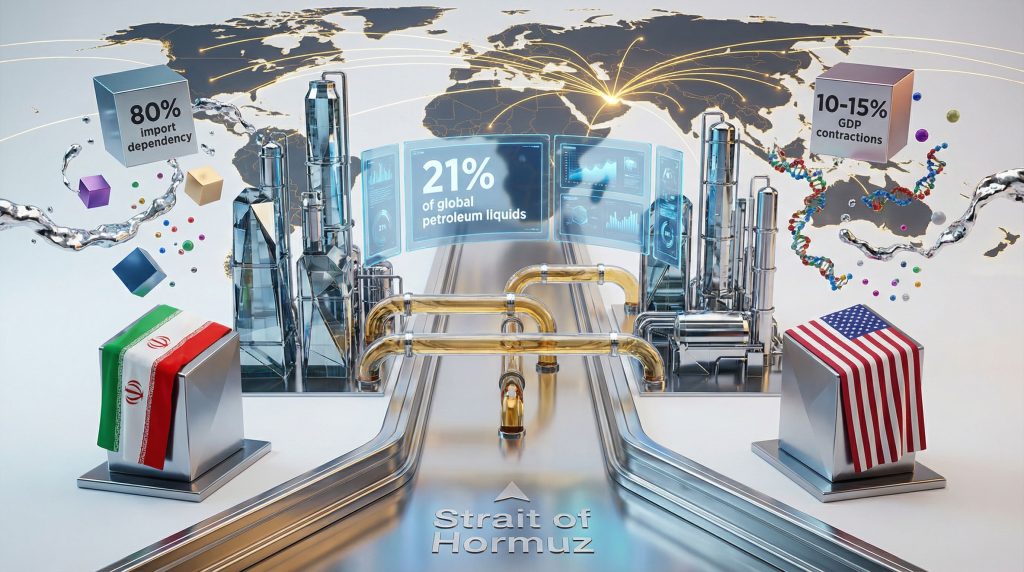
For businesses, investors, and everyday citizens, understanding the economics of 2026 requires a shift in perspective. We are no longer operating in a world of seamless global trade. Instead, we are witnessing the rise of fragmented markets, “friend-shoring,” and the prioritization of national security over cost-efficiency.
The Era of Fragmented Globalization
The most significant economic shift in 2026 is the end of globalization as we once knew it. The conflicts currently unfolding have forced nations to choose sides, leading … Read more
 REF 2014 ranked the Department of Economics at UCL the highest Department in the UK within the subject of Economics and Econometrics as well as the top Department in any subject in any college within the UK.
 Whenever a baby born in this world he/she has wants so many things to outlive in this world equivalent to daylight, water, air (oxygen), milk, meals, clothings and shelter (housing) etc. a few of these requirements are met freely (free of price) like sunlight and oxygen and so on as a result of these can be found in abundance. These type of wants are ‘Non-financial Wants’ in Economics. But, to fulfill some other requirements ( like milk, food, clothings and shelter (housing) and many others) one has to pay something in change. One has to pay a value for these scarce assets in terms dollars (forex), different items & assets (for barter or alternate) or may has to render some service in exchange. Thus a lot of these necessities or desires are referred to as ‘Economic Wants’ in Economics. Therefore, the Economics studies that how the people meet their Economic …