The Rapid Evolution Framework: The Fastest Steps to Improve Your Business
When business performance plateaus or operational inefficiencies begin to drag down profitability, most leaders react by launching sweeping, long-term overhaul initiatives. However, extensive strategic realignments often take months—if not years—to show tangible results. In high-velocity market environments, speed is paramount.

Improving a business rapidly does not require reinventing the entire organization from scratch. Instead, it relies on identifying high-leverage friction points, optimizing existing resources, and executing precise, high-impact tactical shifts. By systematically applying targeted adjustments across operations, customer retention, pricing, and decision-making frameworks, you can unlock immediate performance gains and restore momentum within weeks.
Step 1: Audit and Eliminate Operational Bottlenecks
The quickest way to accelerate business growth is to remove the internal resistance holding it back. Every organization develops operational sludge over time—redundant approval chains, outdated workflows, and communication silos that slow down execution.
To execute a rapid operational cleanup:
- Map Core Value Streams: Trace a single customer order
Navigating the Modern Digital Landscape: A Guide to Online Business Options
The digital economy has fundamentally transformed how entrepreneurs create, deliver, and capture value. What once required substantial upfront capital, physical infrastructure, and geographic proximity can now be launched with a laptop and a stable internet connection. However, the sheer breadth of online business models available today can create decision paralysis for aspiring business owners.

Building a successful online enterprise requires matching market opportunities with your operational strengths, capital availability, and risk tolerance. Exploring the primary business models shaping the current e-commerce and digital services ecosystem provides a clear roadmap for strategic decision-making.
E-Commerce and Product-Based Business Models
Selling physical goods remains one of the most visible and direct avenues for generating online revenue. Advances in global logistics, integrated software platforms, and digital payments have dramatically reduced the barrier to entry for product businesses.
Direct-to-Consumer (D2C) Brands
The D2C model involves designing, manufacturing, and marketing products directly to end customers without … Read more
The Cost of Conflict: Global Economics in 2026 Amidst War
As we move through 2026, the global economic landscape is being reshaped by a force that many hoped would remain a relic of the past: large-scale geopolitical conflict. While the early 2020s were defined by a pandemic-induced slowdown and subsequent recovery, the current year is defined by the “War Economy.” The intersection of advanced technology, resource scarcity, and territorial disputes has created an economic environment that is both volatile and transformative.
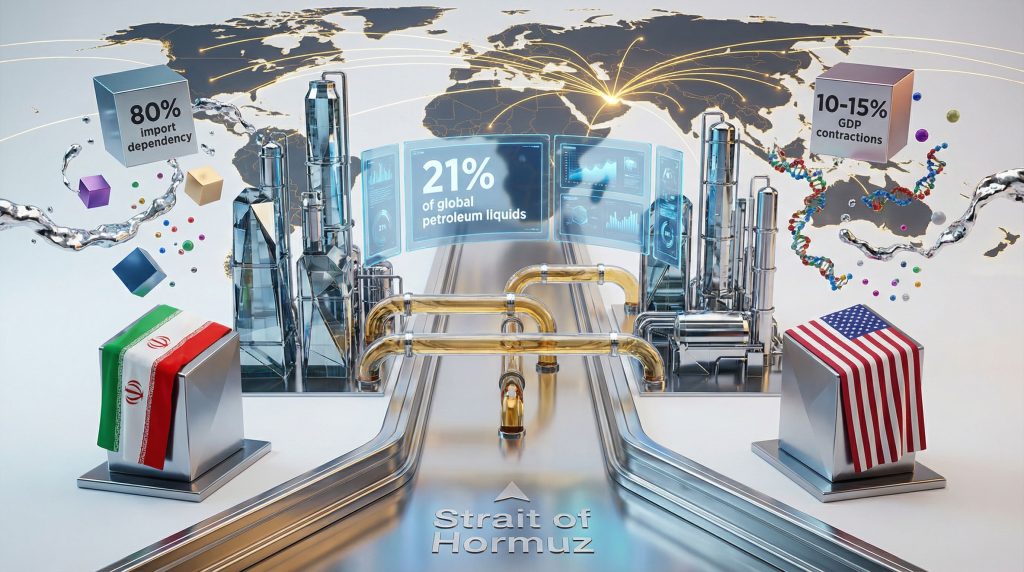
For businesses, investors, and everyday citizens, understanding the economics of 2026 requires a shift in perspective. We are no longer operating in a world of seamless global trade. Instead, we are witnessing the rise of fragmented markets, “friend-shoring,” and the prioritization of national security over cost-efficiency.
The Era of Fragmented Globalization
The most significant economic shift in 2026 is the end of globalization as we once knew it. The conflicts currently unfolding have forced nations to choose sides, leading … Read more
Predictors of Startup Success: Unlocking the Signals of Long-Term Viability
The venture ecosystem has long been fascinated by a single fundamental question: What accurately predicts whether an early-stage company will scale into a market leader or quietly cease operations? While popular culture often attributes startup success to charismatic founders or singular breakthrough ideas, empirical research and real-world venture outcomes reveal a much more complex picture.

In reality, predicting startup longevity requires analyzing a matrix of quantifiable indicators, qualitative behaviors, and structural advantages. By examining key predictors across market dynamics, execution capability, and capital efficiency, investors and founders can better gauge a young company’s true trajectory.
Market Readiness and Precise Timing
Historical analysis of high-growth ventures demonstrates that timing often outweighs initial product feature superiority. A well-designed product launched into an unprepared market faces immense customer acquisition friction, whereas an imperfect product meeting urgent demand can experience explosive adoption.
Macro Trend Convergence + Unmet Market Demand = Optimal Market Timing
Reliable … Read more
Navigating Modern Banking: A Strategic Guide to Checking and Savings Accounts
In an era dominated by digital financial tools, fintech innovations, and evolving economic landscapes, the foundational pillars of personal finance remain surprisingly constant: banks, checking accounts, and savings accounts. While these instruments seem fundamental on the surface, managing them strategically is often the defining factor between living paycheck to paycheck and building lasting financial security.

Understanding how to structure these primary accounts, optimize their yields, and leverage modern banking infrastructure allows you to build a resilient financial ecosystem.
The Core Architecture of Personal Banking
To build an effective personal finance foundation, it helps to understand the distinct roles that checking and savings accounts play within your broader monetary workflow. Rather than treating them as passive repositories for cash, view them as active engines with complementary purposes.
The Cash Flow Hub: Checking Accounts
A checking account is designed for liquidity and transactional efficiency. It acts as the central hub of your … Read more